Personalities · Colonial Formation
Apollo Kagwa
Katikkiro of Buganda · Buganda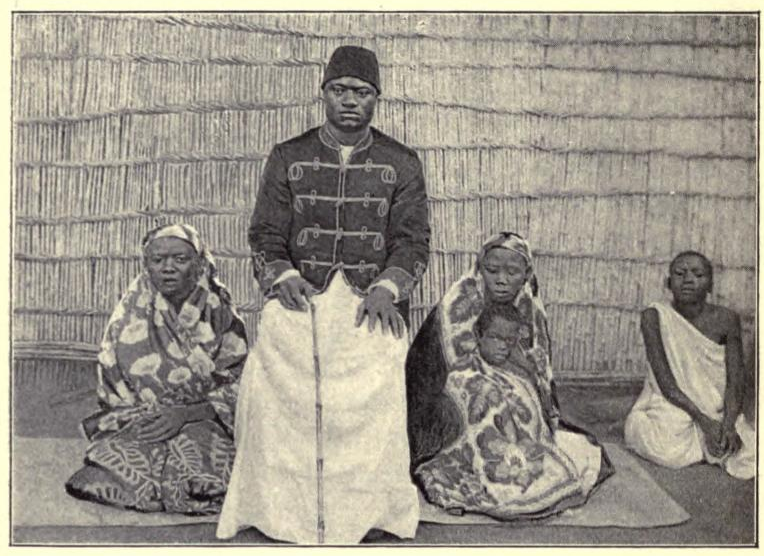
Portrait attribution is available in the asset credits.
Review & sources
Draft: awaiting historical review
This account awaits independent historical review. Linked sources support only the claims identified below.
- Sir Apolo Kagwa
Encyclopaedia Britannica. Accessed 2026-10-11.
Supports: Katikkiro 1890–1926, Protestant leadership in 1888–92, growing power under the British, death in Nairobi in February 1927.
Katikkiro 1890–1926, Protestant leadership in 1888–92, and death in Nairobi in February 1927. Gives birth as about 1869.
- Kagwa, Apolo
Dictionary of African Christian Biography. Accessed 2026-10-11.
Supports: Palace page, escape from persecution, regency with Mugwanya and Kisingiri, writings from 1901, 1902 England visit and knighthood, forced resignation.
Palace page, escape from persecution, regency, writings from 1901, England visit and knighthood, forced resignation. Gives death as 1926, differing from Britannica's February 1927.
- Kabaka Daudi Chwa and Regents
Cambridge University Library ArchiveSearch. Accessed 2026-10-11.
Supports: Regent lineup of Kagwa, Daudi Chwa, Mugwanya, Mbogo and Kisingiri with offices and dates.
Captioned group portrait identifying Kagwa, Daudi Chwa, Mugwanya, Mbogo and Kisingiri with offices and regency dates. Archival caption, not a narrative biography.
Sir Apolo Kaggwa was born around 1864 in Busujju, Buganda, belonging to the Grasshopper (Nsenene) clan. Entering the royal palace as a young pageboy during the reign of Mutesa I, Kaggwa embraced literacy and converted to Anglican Christianity under CMS missionary Alexander Mackay, rising rapidly to become the keeper of the royal stores under Kabaka Mwanga II.
During the religious purges of 1886, Kaggwa survived savage beatings from Mwanga's guards, bearing permanent physical scars while refusing to recant his faith. During the religious civil wars of 1888–1892, Kaggwa's formidable organizational intellect and military courage made him the undisputed general of the Christian Protestant faction. Following the deposition of the Muslim regime, he was appointed Katikkiro (Prime Minister) of Buganda in 1890, an office he would occupy with titanic authority for thirty-six uninterrupted years.
Kaggwa was the primary political architect of the colonial settlement in Uganda. When Mwanga II was deposed in 1897, Kaggwa served as the senior regent to the infant Kabaka Daudi Chwa II. In 1900, alongside Stanislaus Mugwanya and Zakaria Kisingiri, Kaggwa negotiated and signed the 1900 Buganda Agreement with Sir Harry Johnston. Kaggwa ensured that the regents and collaborating chiefs secured vast Mailo freehold estates, firmly entrenching the Protestant oligarchy and cementing Buganda's autonomous status within the protectorate.
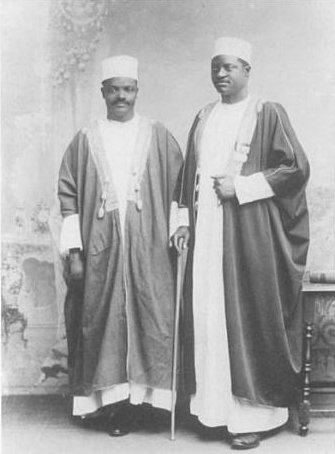
In 1901, Kaggwa was awarded a knighthood (KCMG) by the British Crown, becoming the first African in East and Central Africa to receive this honor. In 1902, he traveled to London with Ham Mukasa to attend the coronation of King Edward VII, visiting factories, universities, and parliament, and returning home committed to the radical modernization of Buganda's infrastructure, sanitation, and agriculture, including the widespread introduction of commercial cotton cultivation.
Beyond statecraft, Sir Apolo Kaggwa was a pioneering scholar of towering historical importance. Recognizing that literacy could immortalize oral memory before it vanished, Kaggwa authored the foundational texts of Great Lakes historiography: *Basekabaka be Buganda* ('The Kings of Buganda', 1901), *Empisa z'Abaganda* ('The Customs of the Baganda', 1905), and *Ebika by'Abaganda* ('The Clans of the Baganda', 1908). These masterpieces remain the indispensable bedrock of modern African historical scholarship.
Kaggwa's epic career ended in dramatic defiance in 1926. When a newly appointed British Provincial Commissioner, J.R. Postlethwaite, arrogantly demanded that native chiefs bypass the Katikkiro's office to issue local beer brewing permits, the aging premier refused to compromise Buganda's constitutional dignity under the 1900 Agreement. Rather than submit to colonial indignity, Kaggwa resigned his premiership in protest and passed away a few months later in February 1927 in Nairobi. He remains one of the most formidable statesmen, historians, and nation-builders in East African history.
Gallery
Timeline
Dates and events are carried over from the supplied record and remain pending independent verification.
- 1860sBorn; accounts differ between 1864 and about 1869
- 1885Survived Mwanga's persecution of Christians
- 1890Named Katikkiro on Mwanga's restoration
- 1897Became leading regent for Daudi Chwa
- 1900Negotiated the Buganda Agreement
- 1901Published Bassekabaka ba Buganda
- 1902Travelled to England; received a knighthood
- 1925Forced to resign as Katikkiro
- 1927Died in Nairobi