Personalities
26 lives.
Kings, founders, and witnesses. Each account distinguishes historical narrative, oral legend, and reconstruction. Draft labels identify records awaiting review.
Foundational Era
1000 — 1300 · 5 livesThe most famous Bachwezi ruler, credited in oral tradition with founding the Kitara empire.
The last Bachwezi ruler, whose reign ended in the mysterious dispersal of the Bachwezi.
The legendary first Kabaka of Buganda, credited with uniting the clans into a single kingdom.
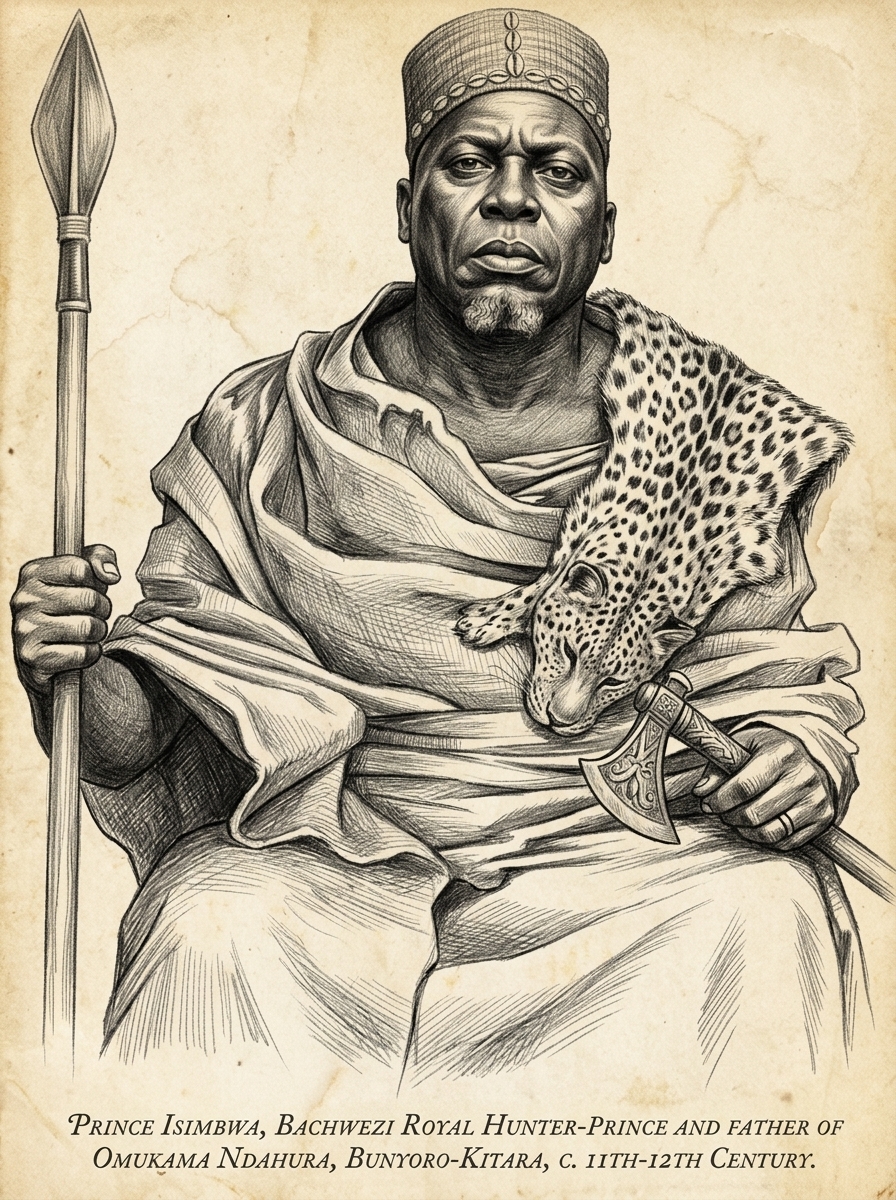
The legendary hunter prince of the underworld and father of Ndahura, bridging the Batembuzi and Bachwezi dynasties.
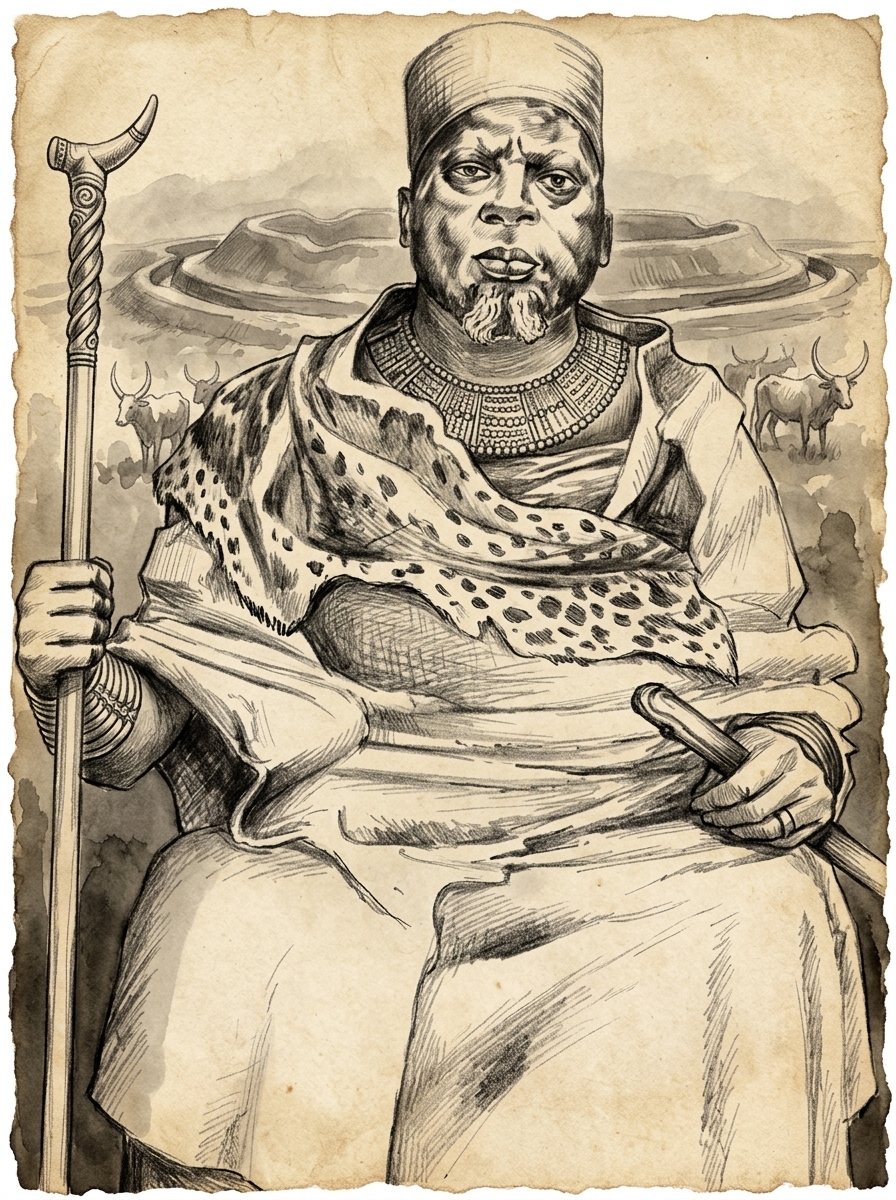
The legendary cattle prince of the Bachwezi whose name is immortalized in Bigo bya Mugenyi and whose beloved cow Bihogo foretold the dynasty's dispersal.
Age of Kingdoms
1300 — 1600 · 1 life
Classical Kingdoms
1600 — 1800 · 2 livesA reconstruction of a prominent Buganda clan leader and administrator from the classical period.
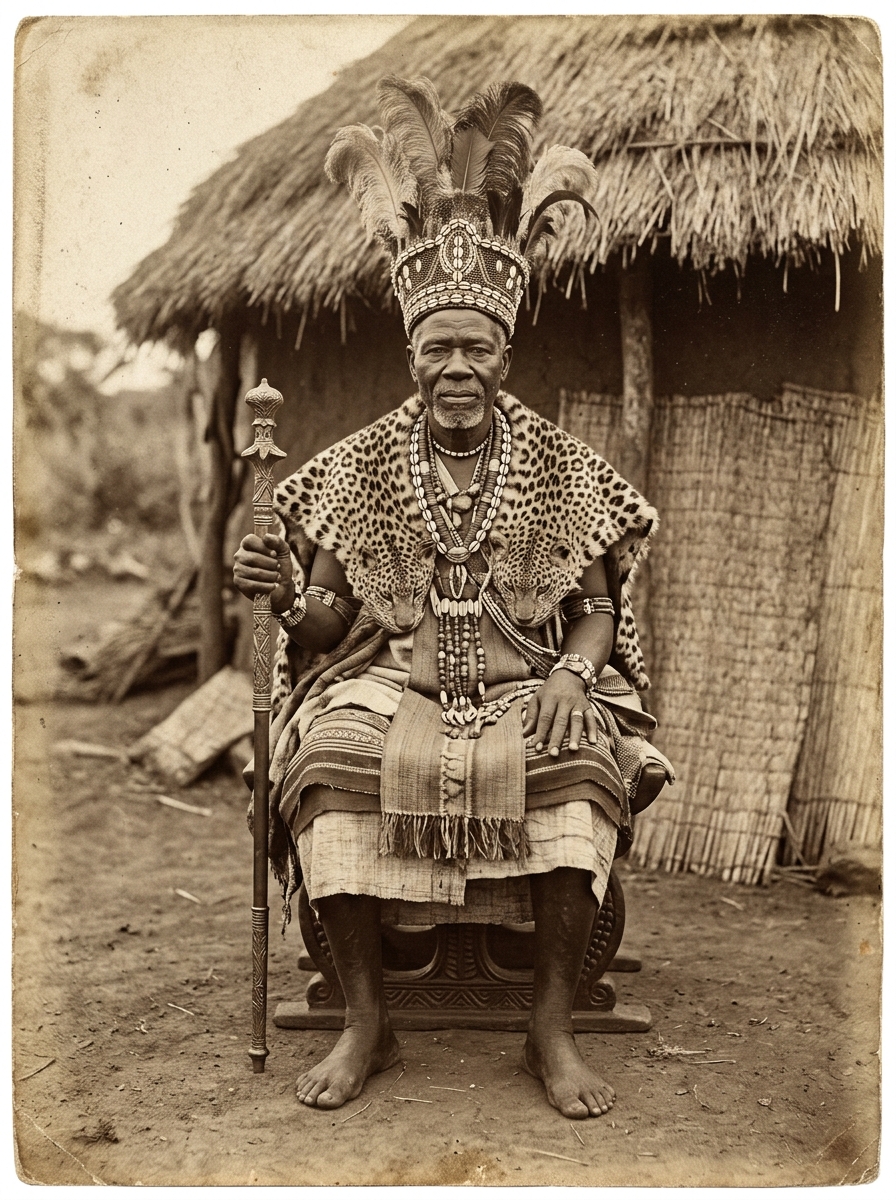
Celebrated 19th-century monarch of the Alur kingdom in West Nile who consolidated Alur ritual arbitration, rainmaking, and state expansion.
Contact & Upheaval
1800 — 1894 · 6 livesOmukama of Bunyoro-Kitara, remembered for sustained resistance to colonial rule before his capture in 1899.
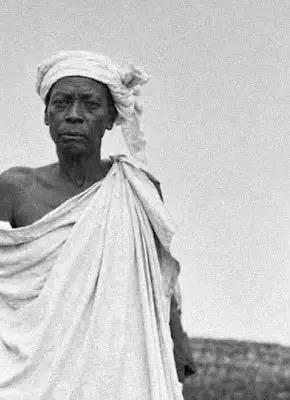
The Kabaka who welcomed Stanley and navigated the arrival of Christianity and Islam at his court.
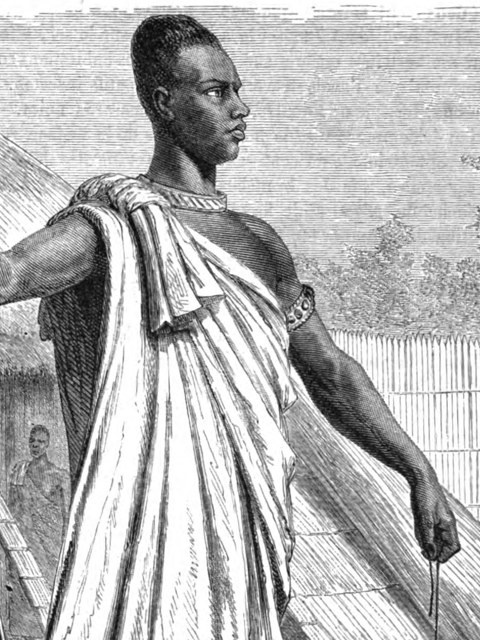
The Omukama who allied with the British to restore Toro’s independence from Bunyoro.
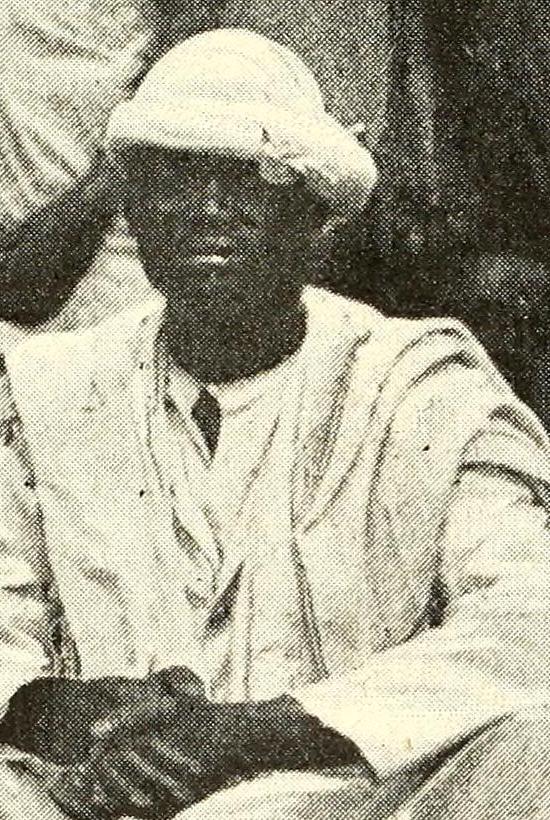
The German-born Ottoman governor of Equatoria whose relief expedition became a colonial turning point.
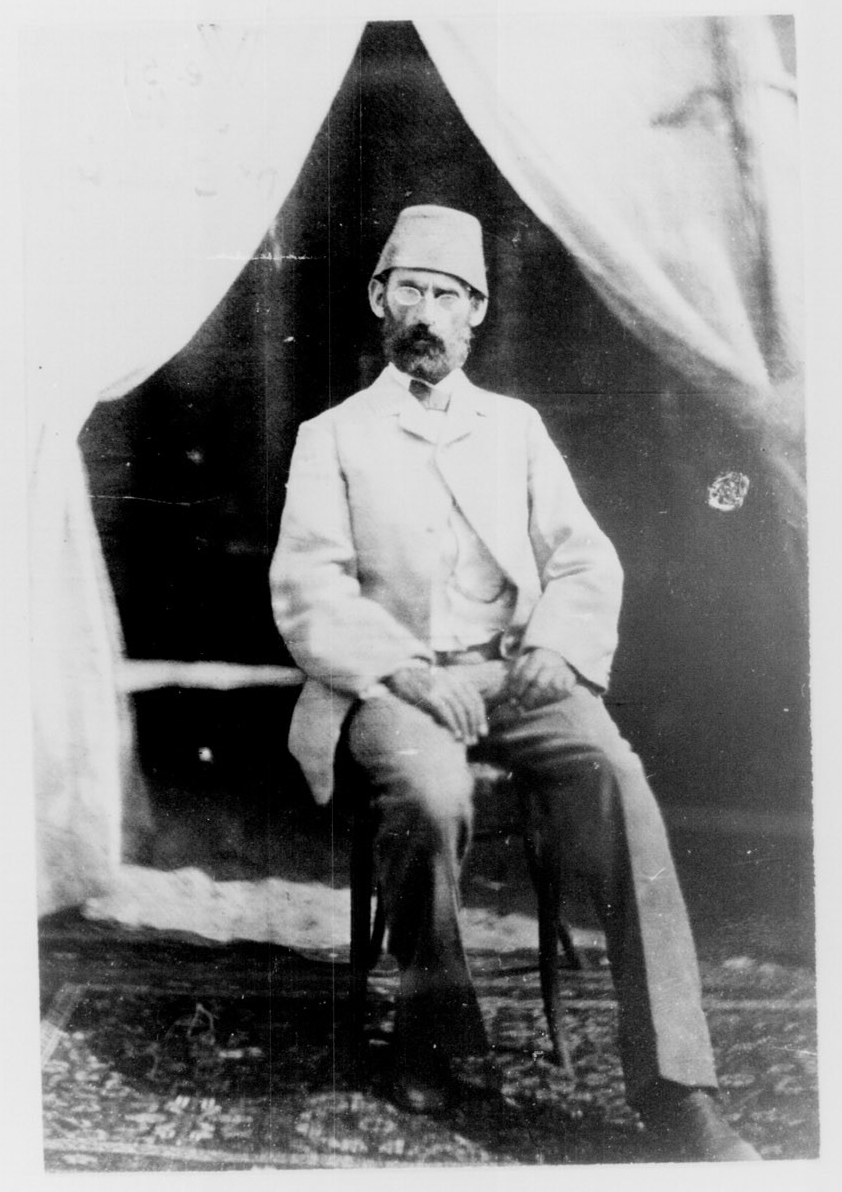
Reigned c. 1832 to 1856, welcoming the first coastal Arab trade caravans and introducing firearms, woven cloth, and cowrie currency to Buganda.
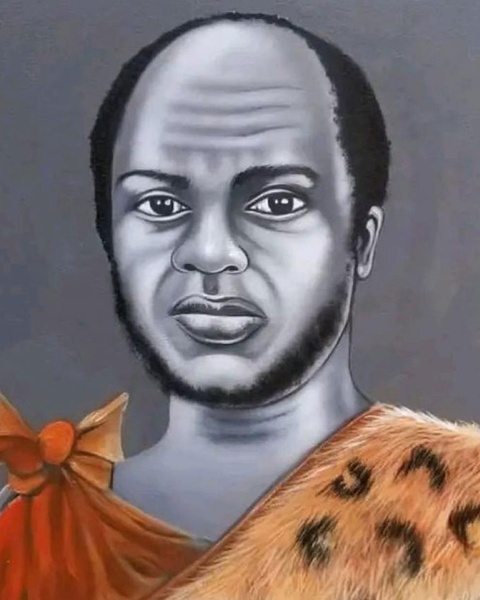
Rwot of Payira in the 1870s–80s, whose court ritual and stand against Egyptian exactions are recorded in Emin Pasha's account.
Colonial Formation
1894 — 1962 · 12 livesThe Kabaka who ordered the Uganda Martyrs’ executions and was later exiled alongside Kabalega.
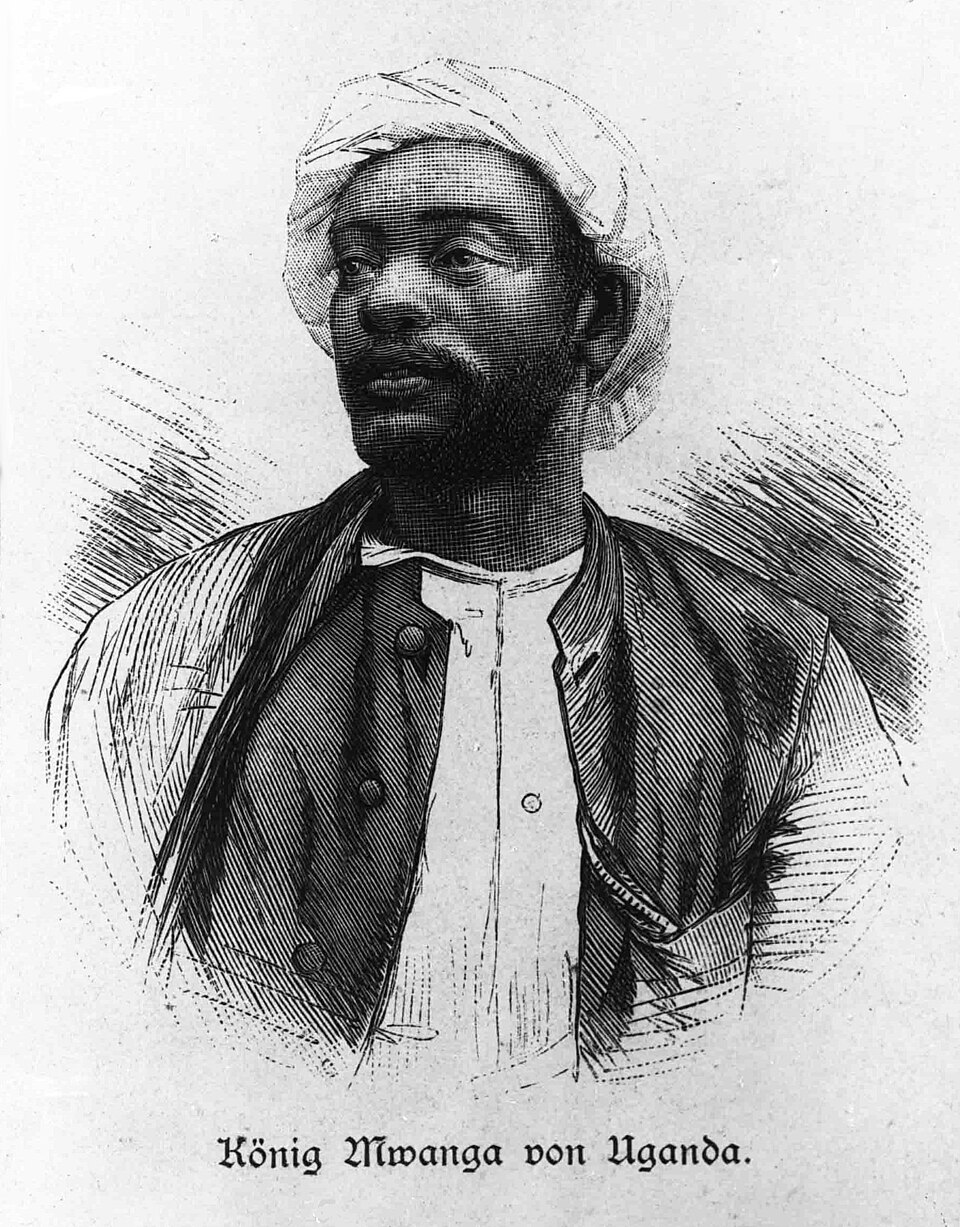
Kabaka of Buganda and Uganda's first President from 1963, deported by the British in 1953.
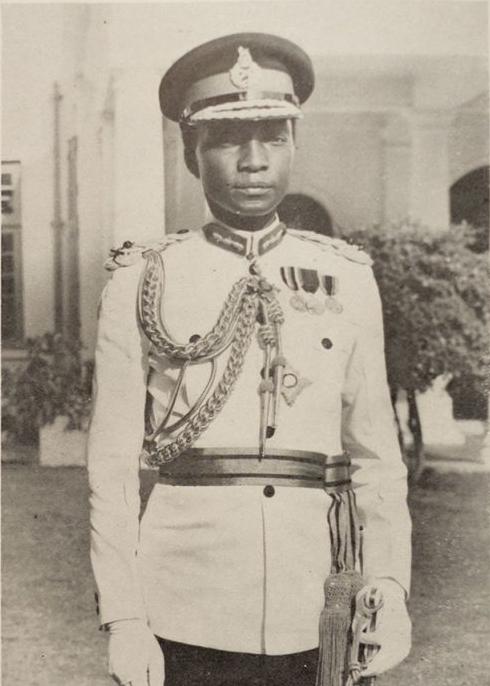
A prominent Christian convert, chief, and early Ugandan author who documented the transition to colonial rule.
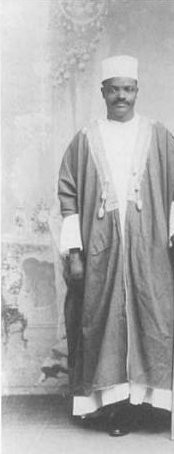
Kabaka of Buganda from infancy in 1897 until 1939; his reign spanned the formative decades of the protectorate.
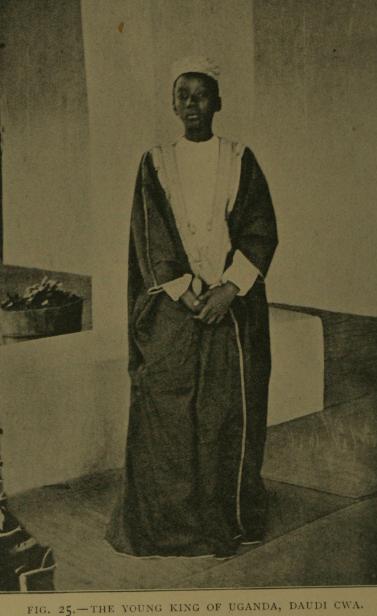
Buganda's Katikkiro from 1890 to 1926, regent of the infant Daudi Chwa, negotiator of the 1900 Agreement, and the kingdom's first historian.
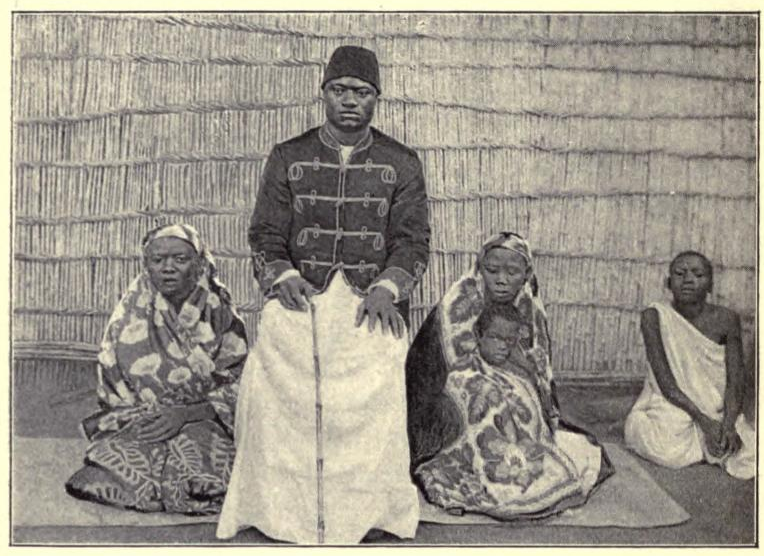
Muganda general who extended British rule into eastern Uganda, then broke with the British and founded the Abayudaya Jewish community in 1917.
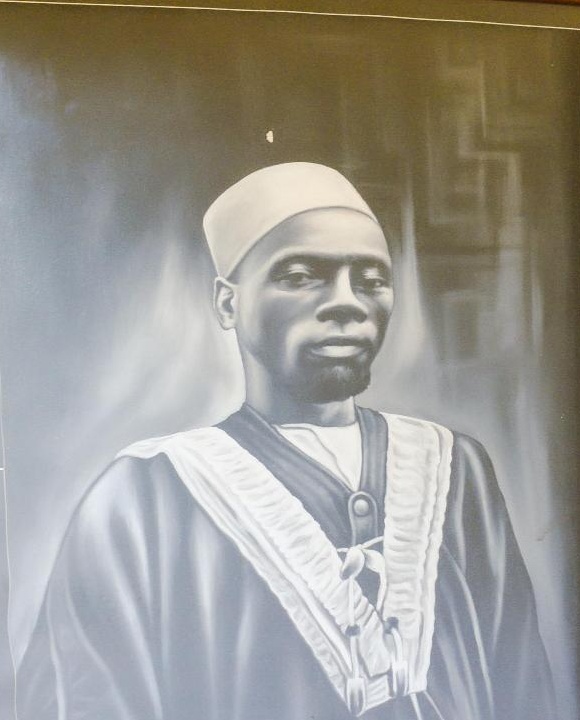
Catholic chief, co-regent of Daudi Chwa, signatory of the 1900 Agreement, and Buganda's first chief justice.
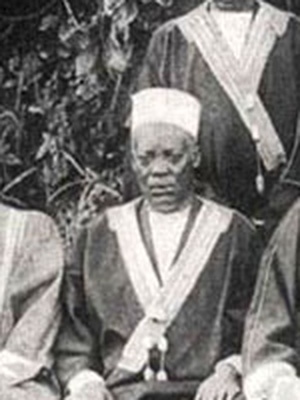
Omukama of Tooro from 1928 to 1965; his long reign carried the kingdom through the late protectorate into independence.
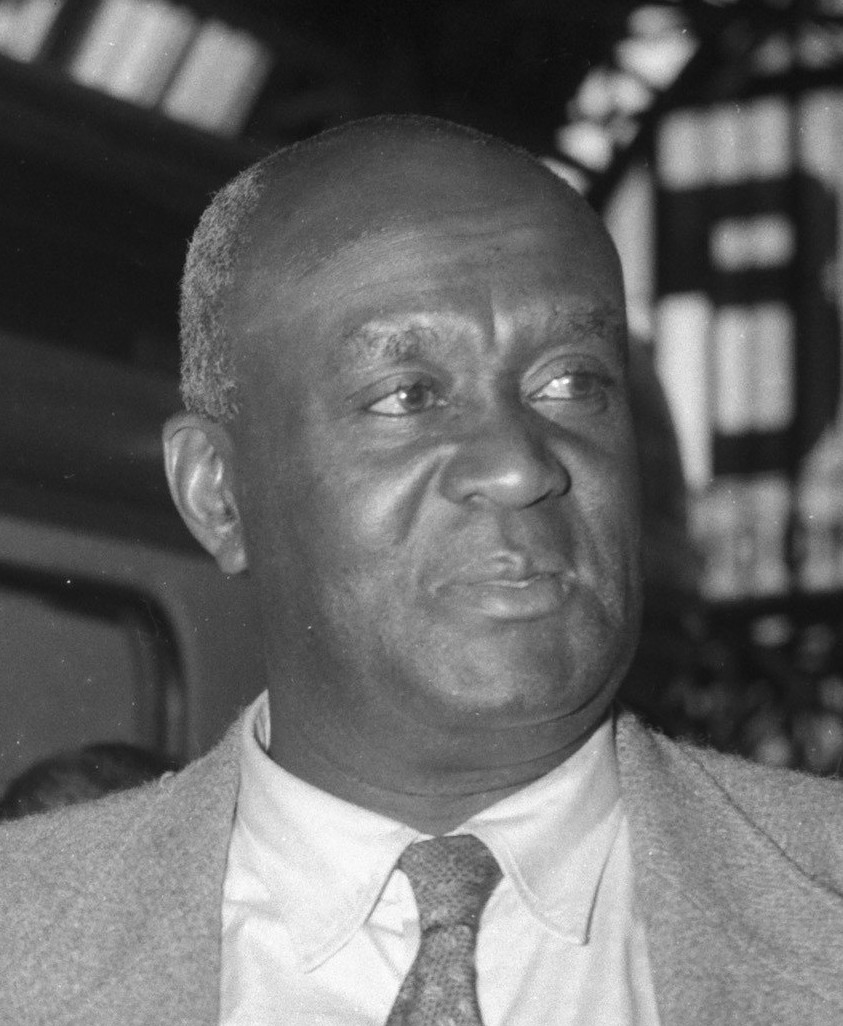
Kyabazinga of Busoga from 1949 and Uganda's first Vice-President from 1962 to 1966.
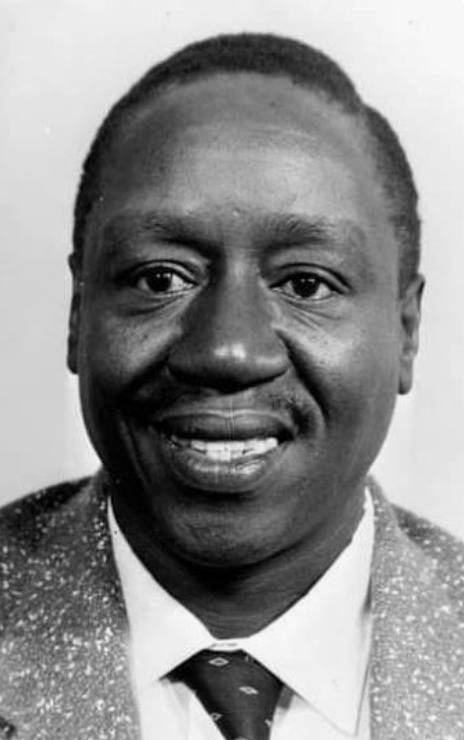
Rwot of Payira who refused British treaties, sheltered Kabalega's fugitives, and fought the Lamogi rebellion of 1911–12.
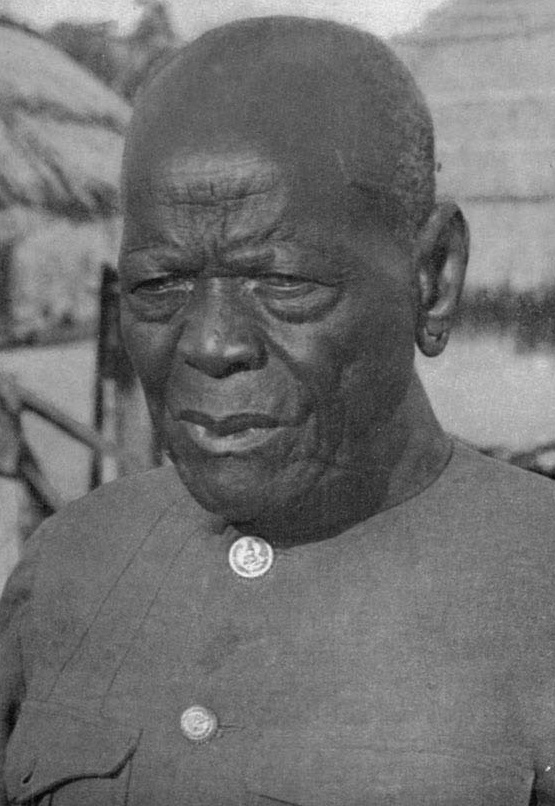
Founder of the Uganda African Farmers Union (1947) and the Uganda National Congress (1952), launching the countrywide independence movement.
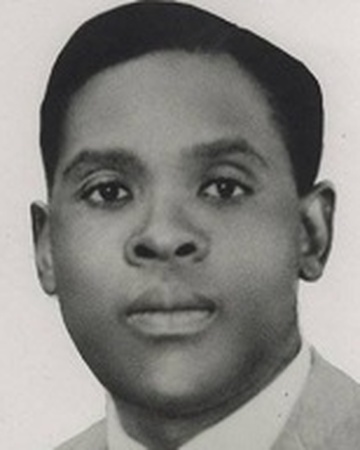
Rwandan queen consort who became the leading Nyabingi medium and a cross-border anti-colonial leader in Kigezi.