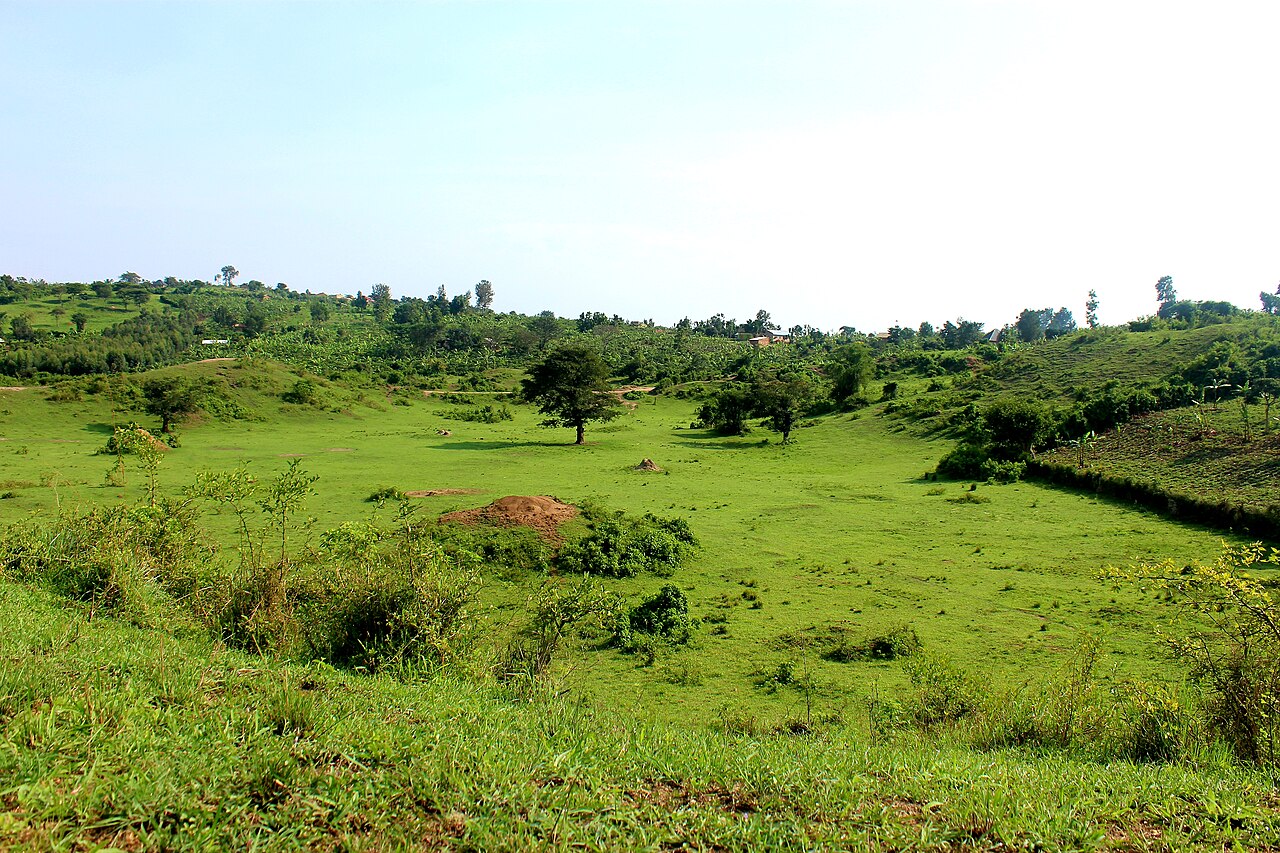
Earthworks and ditches dated in Uganda's heritage submission to the 14th–16th centuries. Oral traditions associate Bigo with the legendary Bachwezi rulers; the earthworks alone do not establish a dynasty or an empire.
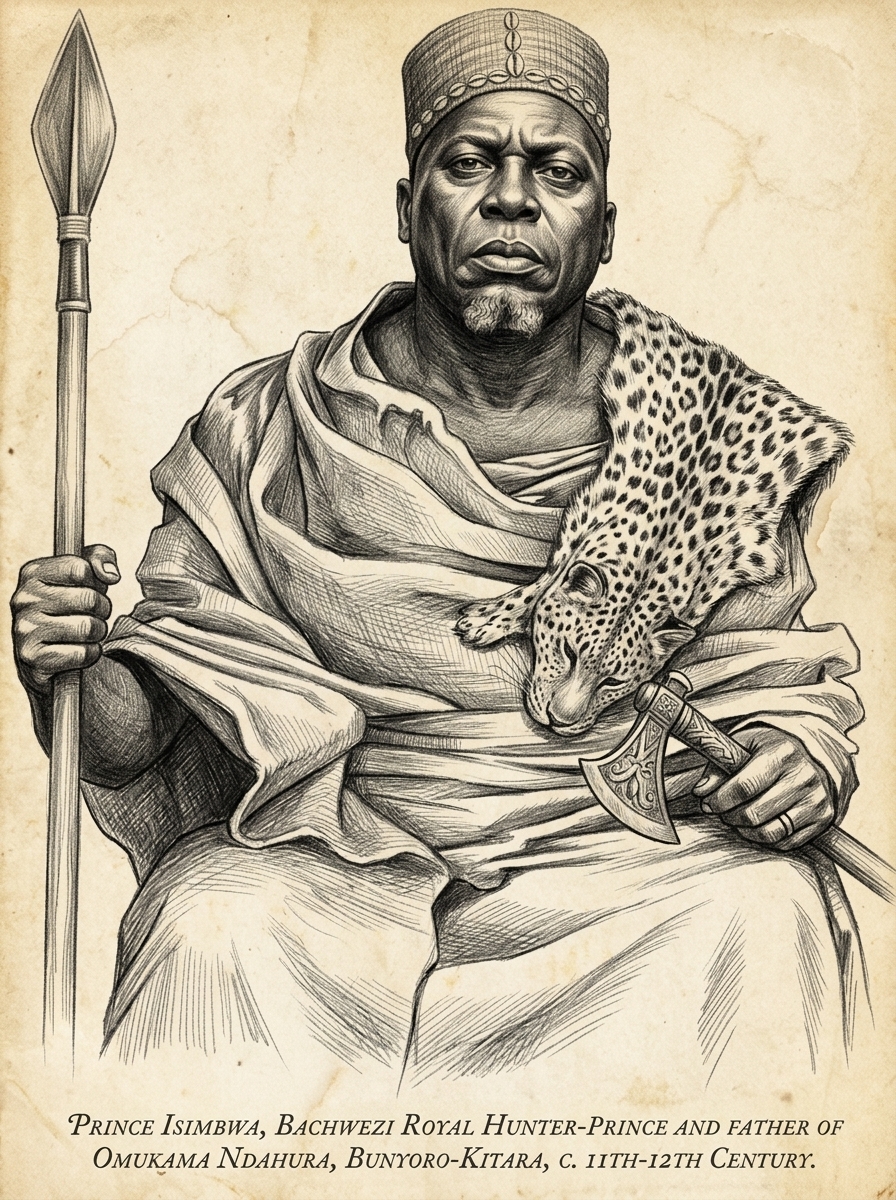
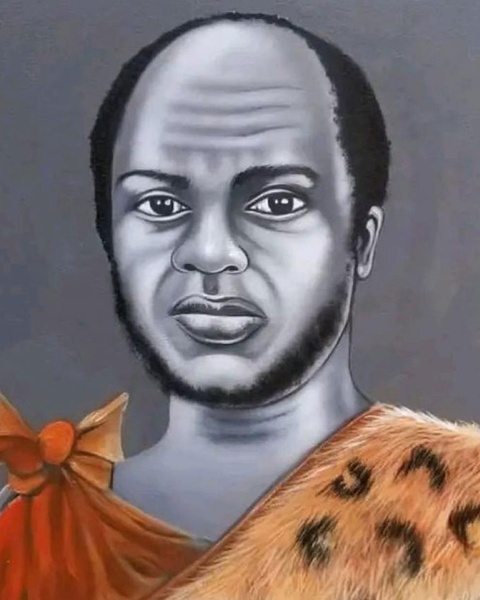
Sacred hill associated with the Bachwezi and the Ndahura dynasty. A spiritual center of the Kitara empire with ancient shrine sites still venerated today.
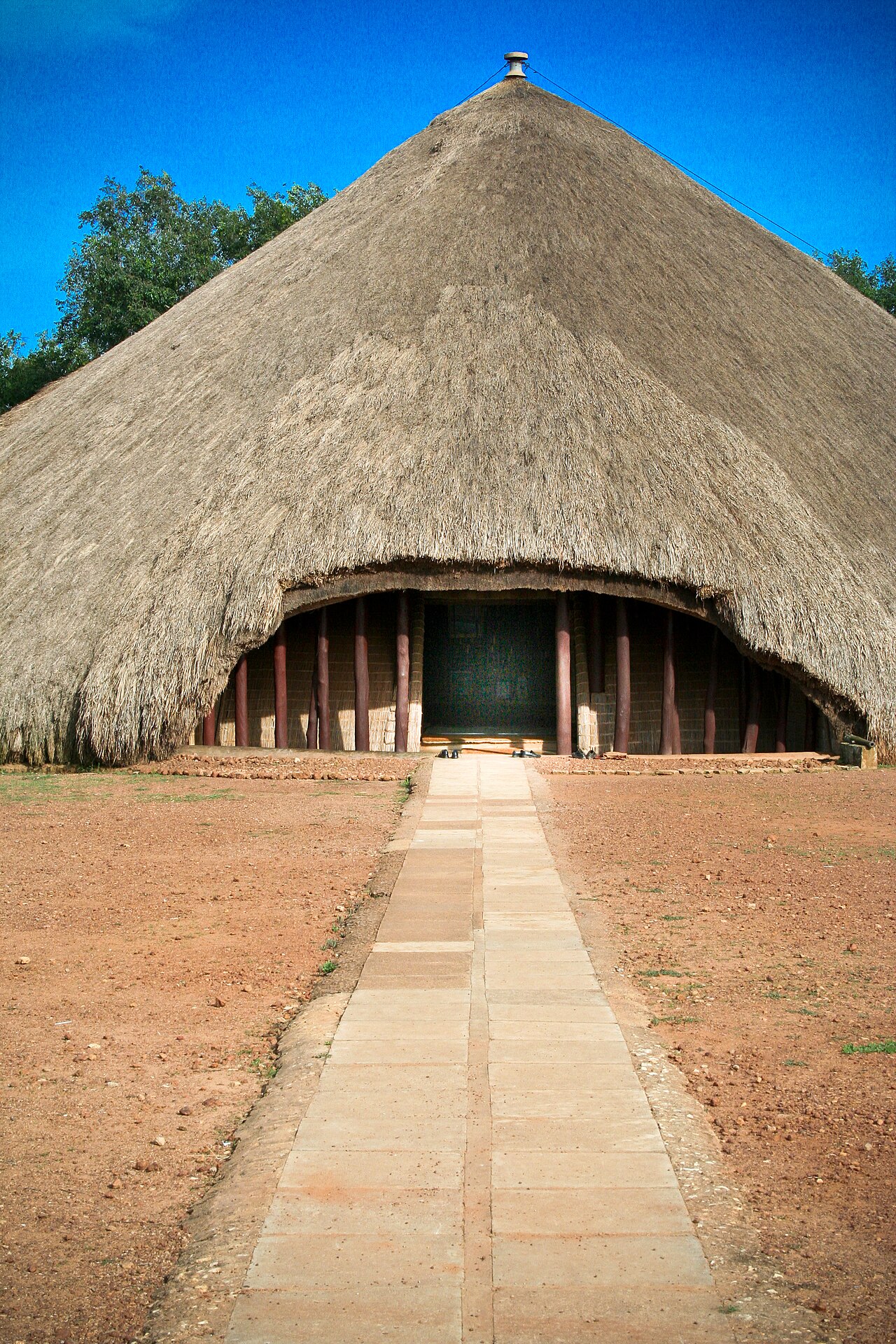
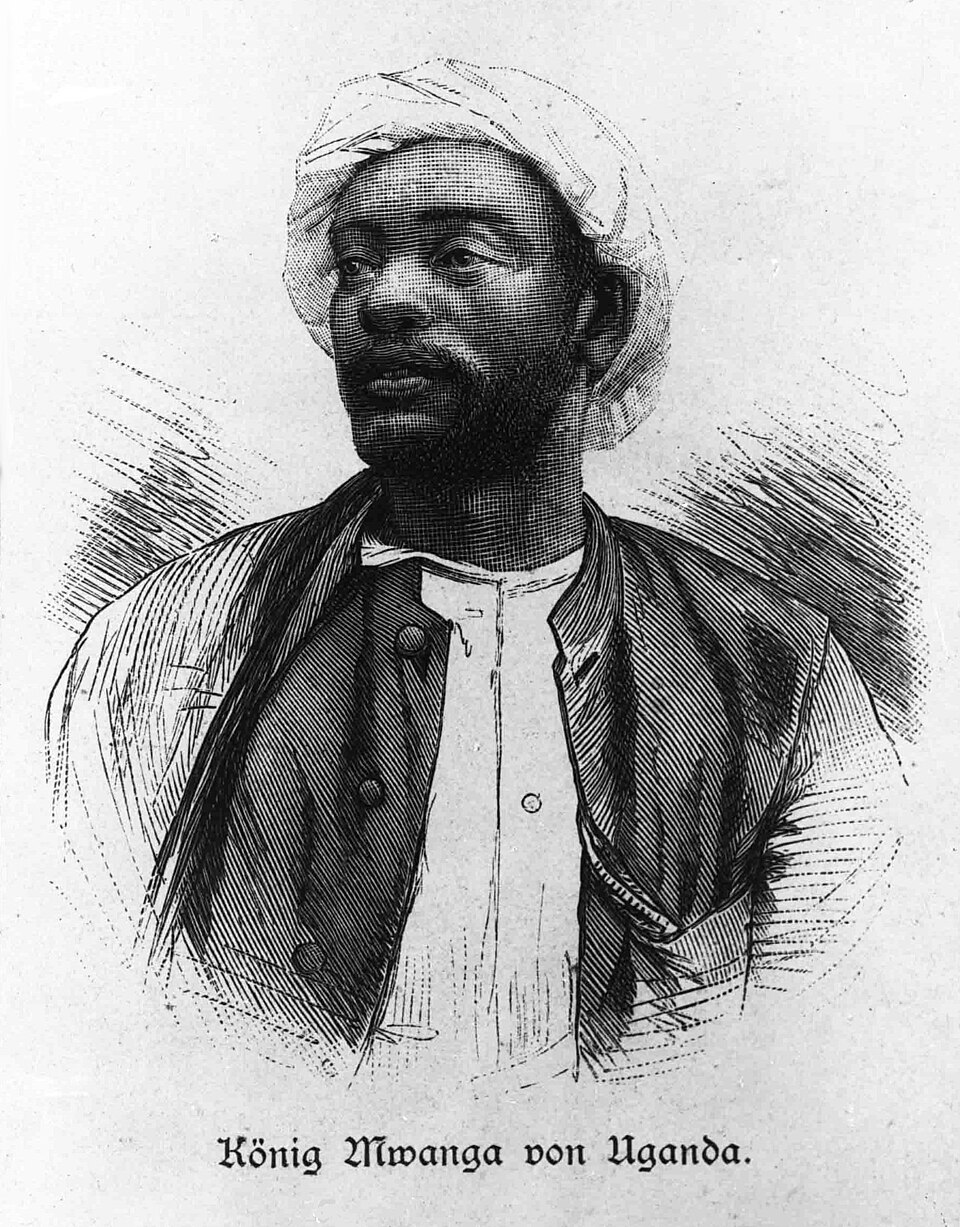
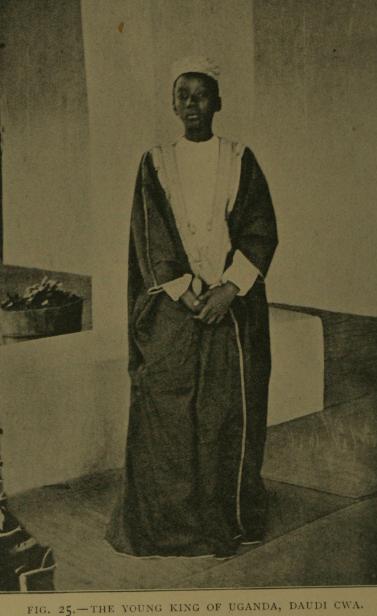
The royal burial grounds of the Buganda kings (Kabakas), a UNESCO World Heritage Site. The thatched Muzibu-Azaala-Mpanga was the largest of its kind, housing the tombs of Mutesa I, Mwanga II, Daudi Chwa, and Edward Mutesa II.
Ancient salt-producing village on the shores of Lake Albert. Salt from Kibiro was a major trade commodity of the Bunyoro-Kitara kingdom, traded as far as Buganda and the Congo.
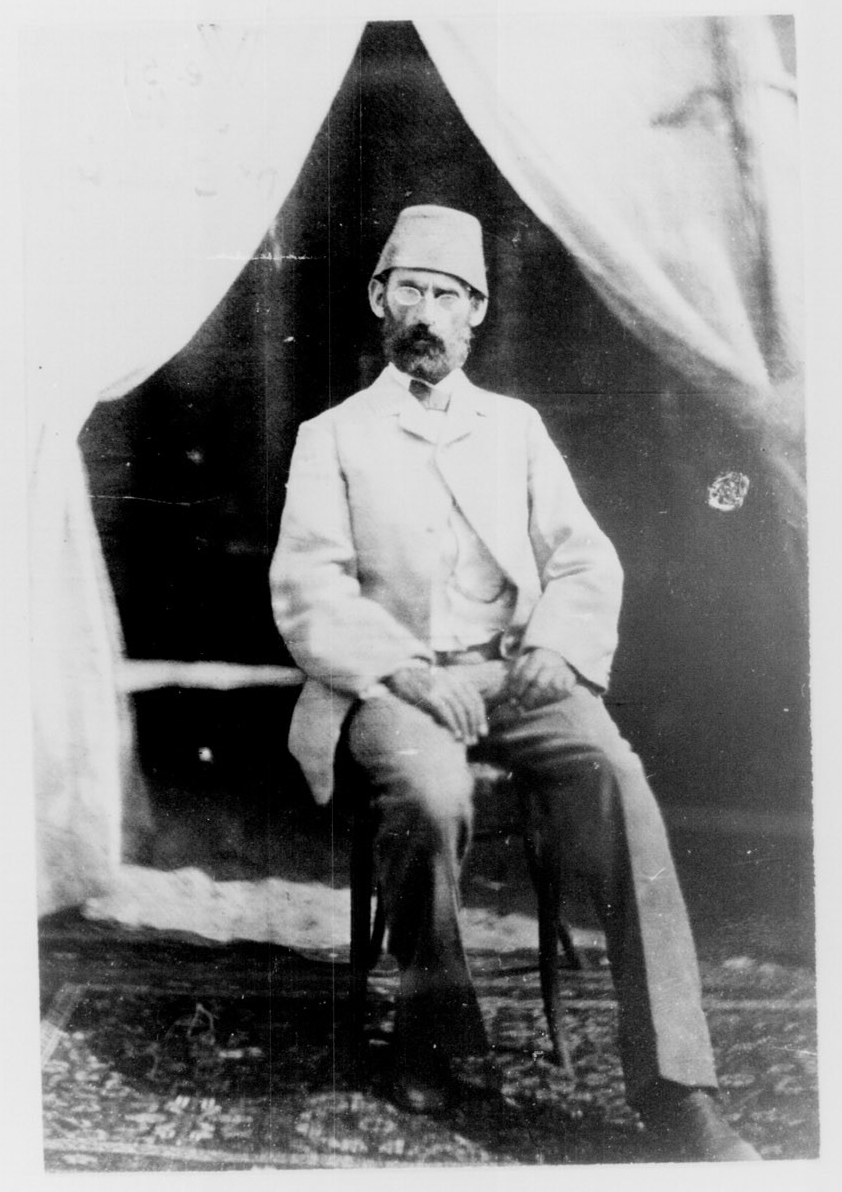
A Nile port that became a key station during the scramble for Africa and Emin Pasha’s expedition, marking the northern frontier of contact-era trade and colonial ambition.
For too long, the story of Uganda has been told through the lens of its colonial past. This archive centers the kingdoms, cultures, and people who shaped a thousand years before 1962.
From the Bachwezi legends to the road to independence, the same five eras organize the map, the films, and the lessons.