Personalities · Colonial Formation
Ignatius Kangave Musazi
Father of Ugandan Nationalism · Buganda (Pan-Uganda)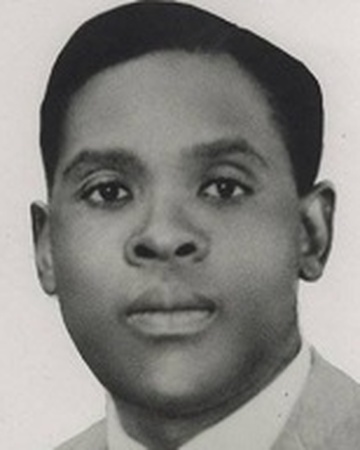
Portrait attribution is available in the asset credits.
Review & sources
Draft: awaiting historical review
Documented 20th-century political history and state archives.
- Ignatius Kangave Musazi | Ugandan nationalist and politician
Encyclopaedia Britannica. Accessed 2026-10-13.
Supports: Founding of the Uganda African Farmers Union in 1947 and the Uganda National Congress in 1952.
Founding of the Uganda African Farmers Union (1947) and the Uganda National Congress (1952).
- I.K. Musazi: The father of Uganda's nationalism
New Vision Uganda. Accessed 2026-10-13.
Supports: Role in the 1945 and 1949 cotton strikes and recognition as father of Ugandan nationalism.
Nationalist organizing, the 1945 and 1949 cotton strikes, and national hero commemoration at Kololo.
Ignatius Kangave Musazi was born in 1905 in Timuna, Bulemeezi County in Buganda. Educated at King's College Budo and later in the United Kingdom, Musazi returned to colonial Uganda with an uncompromising passion for social justice, economic equality, and national liberation, earning his enduring place in history as the *Father of Ugandan Nationalism*.
In the 1940s, the colonial economy operated on the systematic exploitation of African peasant farmers: growers of cotton and coffee were legally compelled to sell their hard-won crops to European cartels and Asian-dominated ginneries at artificially depressed, state-controlled prices, while colonial price-stabilization funds pocketed vast profits. Recognizing that peasant poverty was rooted in economic disenfranchisement, Musazi organized rural growers across central and eastern Uganda.
In 1947, Musazi founded the militant Uganda African Farmers Union (UAFU). Demanding the legal right for Africans to gin their own cotton and export coffee directly to international markets, Musazi led nationwide strikes and crop boycotts that culminated in the historic 1949 general strike. When thousands of farmers marched on the Kabaka's palace at Mengo demanding democratic elections to the Lukiiko, British colonial authorities banned the UAFU, declared a state of emergency, and arrested Musazi, exiling him to remote parts of northern Uganda.
While in colonial detention in Moyo and Gulu, Musazi recognized a fundamental truth: peasant economic liberation was impossible under colonial rule without countrywide political sovereignty. Upon his release, on 2 March 1952, Musazi gathered young, educated radicals — including Abu Mayanja and Apollo Kironde — to launch the **Uganda National Congress (UNC)**, Uganda's very first nationwide nationalist political party.
Under Musazi's charismatic leadership and the famous battle-cry *'Self-Government Now!'*, the UNC broke out of regional and ethnic isolation, establishing active party branches in Acholi, Teso, Lango, Tooro, Busoga, and Buganda. Musazi traveled to London to lobby the British Labour Party, testified before international anti-colonial forums, and paved the political highway that made national independence in 1962 inevitable.
Following independence, Musazi continued to serve his country as a member of the Electoral Commission and senior statesman. When he passed away in August 1990 at the age of eighty-five, he was officially designated as Uganda's premier National Hero and laid to rest at the National Heroes Grounds at Kololo in Kampala. Ignatius Kangave Musazi is remembered as the fearless visionary who united Ugandan farmers and workers to ignite the fire of national independence.
Timeline
Dates and events are carried over from the supplied record and remain pending independent verification.
- 1905Born in Bulemeezi, Buganda
- 1947Founded the Uganda African Farmers Union (UAFU)
- 1949Led cotton protests; banned by the British colonial government and exiled
- 1952Founded the Uganda National Congress (UNC), the first nationwide party
- 1990Died and honored as Uganda's premier National Hero at Kololo Grounds