Personalities · Colonial Formation
Kabaka Mwanga II
Kabaka of Buganda · Buganda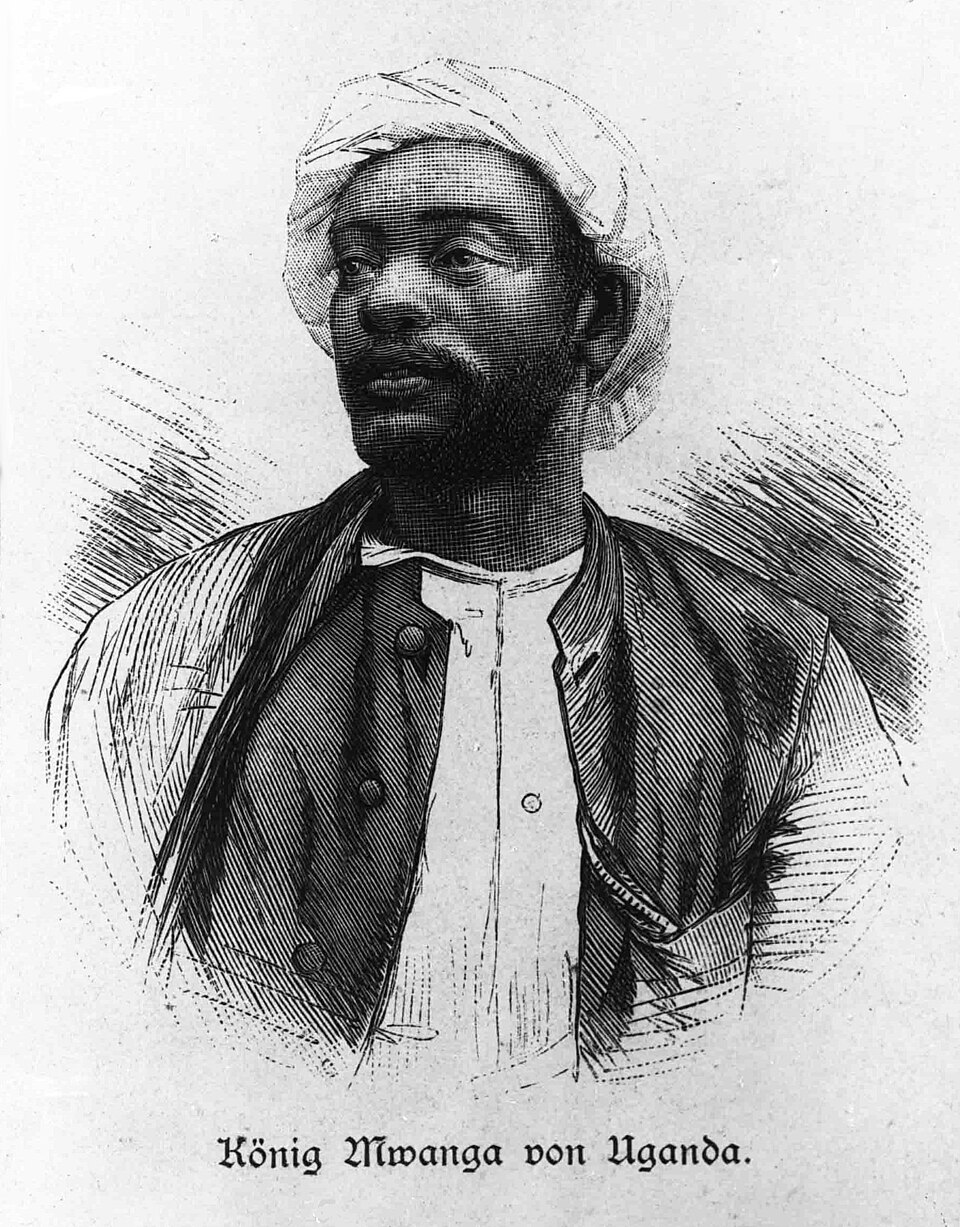
Portrait attribution is available in the asset credits.
Review & sources
Draft: awaiting historical review
This account awaits independent historical review. Linked sources support only the claims identified below.
Claim-specific sources have not yet been supplied for this account.
Kabaka Daniel Basammula-Ekkere Mwanga II ascended the throne of Buganda in October 1884 at the fragile age of sixteen, following the death of his revered father, Mutesa I. Unlike his father, who had deftly balanced rival foreign religions, Mwanga inherited a court torn apart by intense sectarian factionalism among armed Protestant, Catholic, Muslim, and traditionalist young chiefs who owed primary allegiance to their foreign teachers rather than the Kabaka.
Alarmed by reports of European imperial expansion in East Africa and the unauthorized entry of Anglican Bishop James Hannington through the 'back door' of Busoga — a route traditional prophecy warned would bring the conqueror of Buganda — Mwanga ordered Hannington intercepted and executed in October 1885. Determined to reassert royal authority over his palace pages, Mwanga demanded that royal servants renounce foreign religious orders that defied his royal commands.
When pageboys refused to abandon their Christian confessions, Mwanga unleashed the dramatic persecutions of 1885–1886. Led by the royal executioner Mukajanga, over forty young Catholic and Anglican royal servants — including Charles Lwanga and Kizito — were executed and burned alive at Namugongo on 3 June 1886. Rather than extinguishing Christianity, the martyrdoms galvanized the converts and hardened armed opposition to the crown.
In 1888, armed Christian and Muslim factions united in a coup d'état, overthrowing Mwanga and forcing him into exile on the southern shores of Lake Victoria. During the brutal Three-Cornered Wars of Religion that followed, Mwanga aligned with Catholic forces to reclaim his throne in 1889, only to find himself subordinate to the Imperial British East Africa Company (IBEAC) led by Captain Frederick Lugard, who used Maxim guns at the Battle of Mengo in 1892 to impose Protestant hegemony.
Realizing that British protectorate treaties had reduced the Kabakaship to a powerless figurehead, Mwanga launched a bold, desperate anti-colonial rebellion in July 1897. Fleeing his palace, he rallied thousands of loyalists in Buddu and later joined forces with his former bitter enemy, Omukama Kabalega of Bunyoro, waging guerrilla resistance in Lango.
Betrayed and captured alongside Kabalega in April 1899, Mwanga was deposed and exiled to the Seychelles Islands, where he died in captivity in 1903 at just thirty-five years old. His body was repatriated in 1910 and laid to rest beside his father at the Kasubi Tombs. Mwanga II remains one of Ugandan history's most tragic and complex monarchs: a young ruler who chose armed rebellion and exile over being the puppet of colonial conquest.
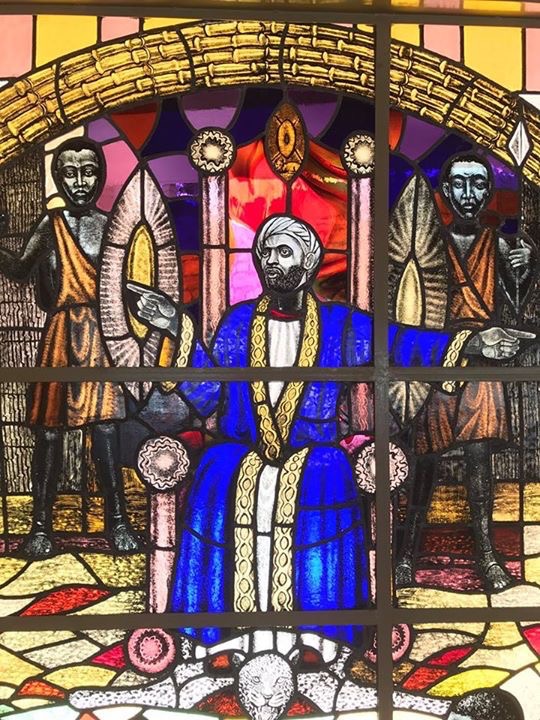
Gallery
Timeline
Dates and events are carried over from the supplied record and remain pending independent verification.
- 1866Born, son of Mutesa I
- 1884Ascended as Kabaka of Buganda
- 1885-1887Ordered the execution of Christian converts (Uganda Martyrs)
- 1888Deposed by a coalition of religious factions
- 1889Restored to the throne with British support
- 1897Fled after rebelling against British authority
- 1899Captured alongside Kabalega, exiled to the Seychelles
- 1903Died in exile